About
The Climate Cent Foundation held a stake of 25 million USD in the Asian Development Bank (ADB)’s climate protection fund “Asia Pacific Carbon Fund (APCF)”, which was endowed with a total 151 million US$. Next to the Climate Cent Foundation, APCF participants included the governments of Finland, Spain, Sweden, Portugal, the Belgian region of Flanders and Luxemburg. In order to grant the APCF greater flexibility and assist it in fully investing its funds, the Foundation also signed a promissory note of 2.5 million USD, which the APCF could use to enter additional agreements and thus hedge delivery risks.
A climate protection fund is a procurement scheme for the purchase of project-based certificates. The sourcing of certificates is handled by the fund operator, who concludes direct purchase agreements with the owners of climate protection projects. The resulting certificates are distributed to fund participants according to their respective investment share.
Outcome
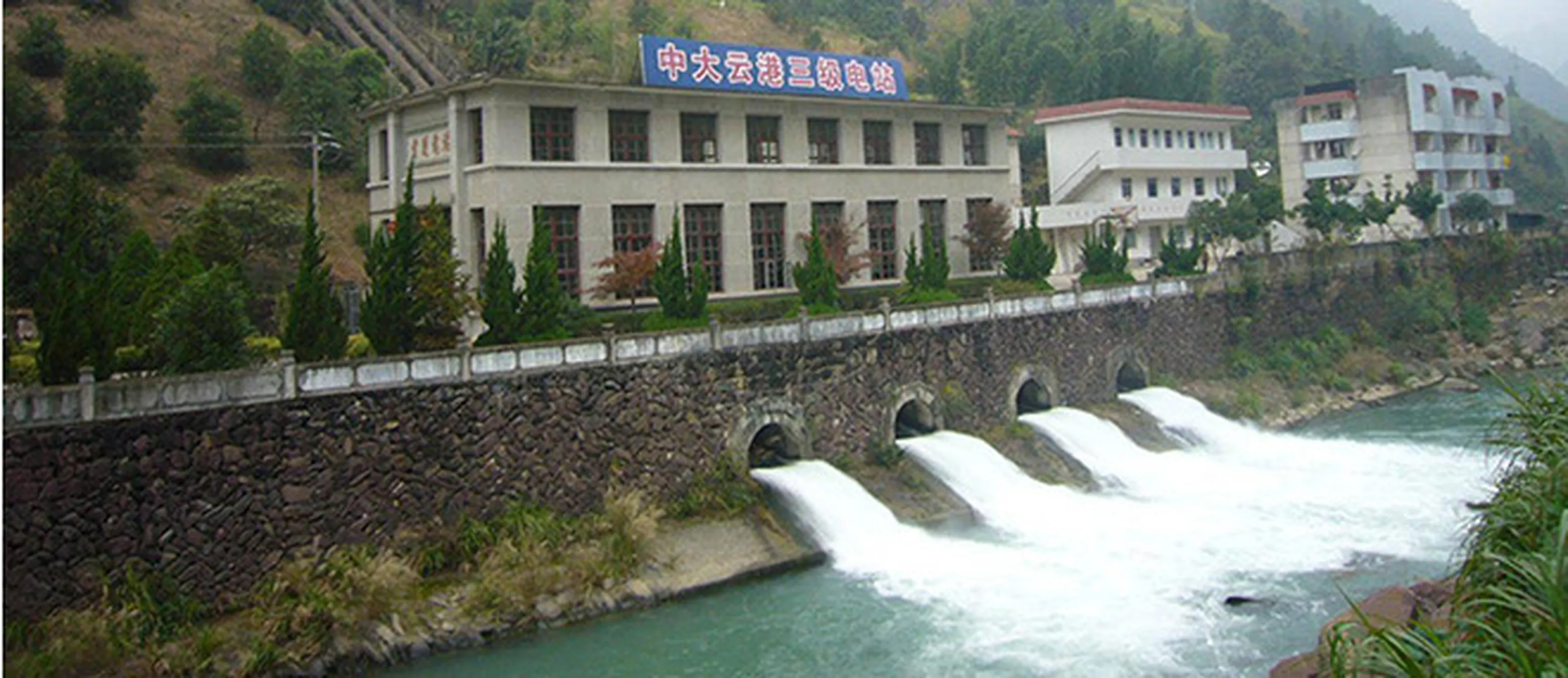
At the last count, the Asia Pacific Carbon Fund had concluded 49 agreements for the delivery of CERs stemming from 71 projects. 38 of these projects are located in India, 18 in China, 6 in Thailand and others in Bangladesh, Georgia, Indonesia, the Philippines and Uzbekistan. The projects cover the following activities: 35 wind power plants, power plants in the fields of hydroelectricity, solar power, biomass and geothermal energy, as well as landfill gas, waste management and energy efficiency. 60 of these projects produce electricity with an overall power of 1.9 GW. Agreements with a further 14 projects were cancelled over the years. Some agreements were fulfilled by the delivery of certificates stemming from replacement projects, which is why the fund’s final portfolio comprised 76 projects.
A total of 2‘693‘883 CERs were delivered to the Foundation. The average cost per certificate was 9.59 USD. 142‘269 CERs derived from the use of the Foundation’s promissory note, which was drawn on for 0.84 million USD. For more Information please go to the site: www.adb.org/projects
Wichtigste Zahlen und Fakten
Vertragsinhalt
Asian Development Bank (ADB)
Vertragspartner
Beteiligung als Lead Participant am Asia Pacific Carbon Fund (APCF) im Umfang von 25 Mio. USD
Lieferfrist
Jährliche Liefertermine ab März 2009 bis März 2013
Erwartete Liefermenge
(Einheit in Tonnen CO2)
Rund 1.5 Mio. Certified Emission Reductions (CERs)
Vertragsinhalt
Die Stiftung beteiligt sich als ‚Lead Participant’ im Umfang von 25 Mio. USD am Asia Pacific Carbon Fund der asiatischen Entwicklungsbank (ADB). Beim Asia Pacific Carbon Fund (APCF) handelt es sich um einen klassischen Klimaschutzfonds der ADB mit einem Volumen von USD 150 Mio., in welchen Teilnehmer aus Regierungen, regierungsähnlichen Organisationen oder Unternehmen, welche im Auftrag von Regierungen Zertifikate beschaffen, investieren können. Verwalterin und Treuhändlerin des Fonds ist die ADB.
Als ‚Lead Participant’ hat die Stiftung Einfluss auf Rahmenbedingungen der Projektauswahl und Preispolitik. CERs aus Projekten im Portfolio, welche den Standards der Stiftung nicht genügen, darf die Stiftung ablehnen. Diese CERs werden durch andere Zertifikate ersetzt. Der APCF wird ein Schwergewicht auf Projekte in den Bereichen Energieeffizienz, erneuerbare Energien und Abfallbewirtschaftung setzen. Den unter Vertrag genommenen Klimaschutzprojekten werden Vorauszahlungen im Umfang von bis zu 50% der zu erzielenden CERs geleistet. Es wird erwartet, dass die Stiftung für ihre Investition rund 1,8 Mio. Zertifikate aus dem Fonds erhält.
Vertragspartner
Die ADB ist eine multilaterale Entwicklungsbank mit Hauptsitz in Manila, welche in der asiatischen und pazifischen Region nachhaltiges Wirtschaftswachstum, soziale Entwicklung und gute Regierungsführung fördert und unterstützt. Besondere Aufmerksamkeit wird kleinen oder weniger entwickelten Ländern gewidmet. Die Schwerpunkte der langfristigen Strategie der ADB liegen auf Privatsektorentwicklung, regionale Kooperation und nachhaltige Umweltpolitik. Vgl. http://www.adb.org/